They were living in that colony for over 40 years — despite living there for 40 years, the outcome they received was harsh and ruthless.
In a deeply troubling incident, a Catholic man, Amir Masih, found himself ensnared in a nightmare, facing charges of blasphemy after a simple argument over groceries spiraled into a dangerous false accusation. On July 19, 2025, he went to a shop in Lahore’s Nishat Colony, intending to purchase a few daily items. However, when he was overcharged by the Muslim shopkeeper, Sanor Ali, a verbal disagreement ensued. Sanor Ali, reportedly angered by the rebuke, physically attacked him, but some bystanders came to his rescue. The altercation should have been a minor dispute, but it quickly escalated into a life-threatening ordeal.
Amir Masih was later arrested under Pakistan’s infamous blasphemy laws, accused by Ali of using derogatory words against the Prophet Muhammad. But his defense was clear: there was never any mention of religion during the confrontation. The allegations were entirely baseless. Despite this, the police pressed him to confess to something he vehemently denied, even reportedly torturing him during his detention. In his pain and confusion, he clung to his innocence, adamantly refusing to make a false admission.
As if the physical suffering wasn’t enough, Amir Masih’s younger brother, Rev. Henry Paul, a priest at St. Francis Parish in Lahore, expressed the family’s despair. The accusation, he believes, is a direct result of his brother’s confrontation with the shopkeeper over profiteering — an issue that could have been easily resolved by the police without resorting to such harsh measures. But the family’s hope for justice, they say, was dashed as senior police officers failed to investigate the matter thoroughly before taking action.
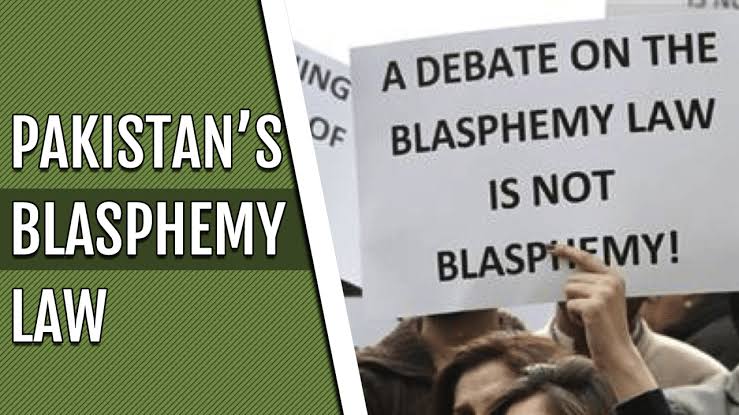
“The agony of an innocent man caught in the web of a deeply flawed legal system reflects the broader misuse of Pakistan’s blasphemy laws, which remain a tool of oppression and a source of unimaginable pain for religious minorities.”
While the state has refrained from executing anyone under these laws, accusations often ignite brutal mob violence, and the accused face not only the prospect of death but also the constant threat of extrajudicial killings. In many cases, individuals are imprisoned for months on end without trial, subjected to violent persecution simply for being accused of blasphemy.
Human Rights Watch has long condemned the systematic exploitation of these laws, citing their use to target religious minorities and settle personal and economic scores. The broad and vague nature of the blasphemy laws allows for abuse with little to no evidence, creating an environment of fear, especially for vulnerable groups like Christians, Hindus, and other religious minorities. Amir Masih’s story is yet another stark reminder of how the law can be weaponized to threaten lives, confiscate property, and destroy families.
The failure to hold those responsible for inciting violence accountable has emboldened the perpetrators of these heinous acts. It is time for the Pakistani government to confront the reality of this dangerous legal system and urgently reform its blasphemy laws before more lives are lost in the name of religion.
An Innocent Man’s Final Chapter
For months, Amir Masih sat in a prison cell, his life shattered by a false accusation that cast a dark shadow over his future. His family could only hope for the truth to emerge, praying that justice would eventually prevail, even in the most impossible of circumstances.
That hope was extinguished on July 1, 2026. After 378 days behind bars, Amir Masih died — his family says of a sudden heart attack — never having had the charges against him proven, and never having received the justice they sought. His death adds his name to a long list of Pakistan’s religious minorities whose lives have been upended, and in this case ended, by the misuse of the country’s blasphemy laws. His family and community are now left to grieve a man who was never given the chance to clear his name.