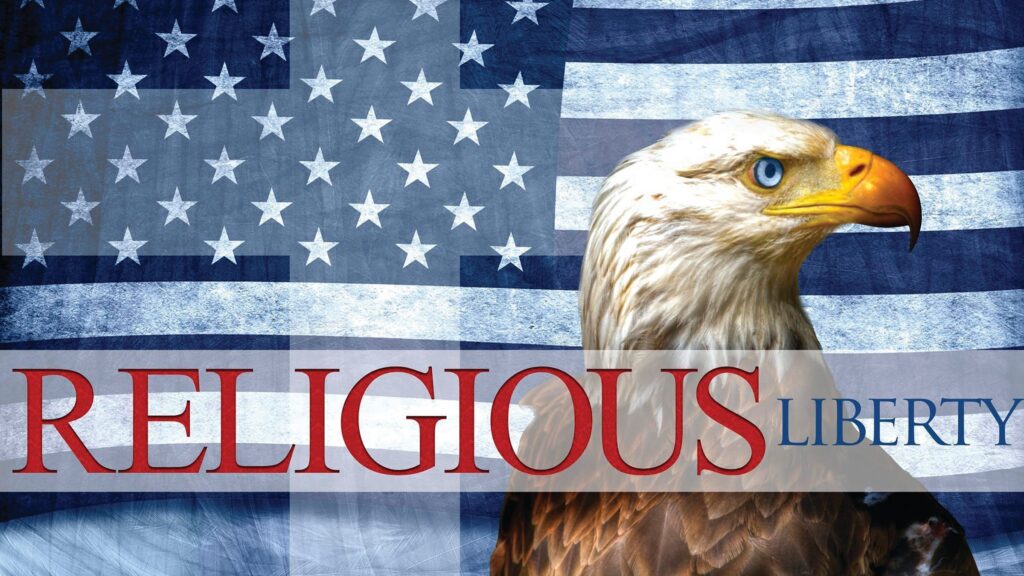
As America celebrates its 250th anniversary this weekend, a wave of thoughtful commentary has emerged examining the country’s founding commitment to religious liberty. The reflections span a wide range of viewpoints — from institutions that champion the first freedom as a unifying national achievement, to voices urging a more honest reckoning with who has, and has not, been able to fully exercise it. Below is a roundup of some of the notable pieces published in recent weeks.
Taken together, these pieces suggest that America’s 250th birthday is being marked not just with celebration, but with genuine debate over what religious liberty has meant, for whom it has worked, and what it should mean going forward.
A Roundup of Reflections
- Center for American Progress “Religious Liberty for All: Celebrating This Founding Freedom at America 250” June 15, 2026
- BYU International Center for Law and Religion Studies “The United States of America at 250: Life, Religious Liberty, and the Pursuit of Happiness” June 16, 2026 · conference presentations available on video
- Catholic League for Religious and Civil Rights “250th Anniversary Scorecard” 2026
- Mary Annette Pember, ICT “America 250: Religious Freedom, But Not for Everyone” June 8, 2026
- Thomas S. Kidd, Desiring God “250 Years of Faith: The Story of Christianity in America” July 1, 2026
- Marjoleine Kars, New York Times Magazine “The Itinerant Preacher Who Helped Secure the Separation of Church and State” June 22, 2026
Why It Matters
Religious liberty has been described as America’s “first freedom” — enshrined in the First Amendment and woven into the country’s founding story. Yet as these pieces collectively show, the anniversary has become an occasion not only for commemoration but for critical reflection: on the historical figures who fought for disestablishment, on the communities — including Indigenous nations — whose religious freedom was not always honored in practice, and on how faith communities across the spectrum understand liberty today.
For Rooted in Unity, a movement built on interfaith dialogue and shared civic commitment, this moment offers an opportunity to look at religious liberty not as a settled achievement but as an ongoing conversation — one that invites people of all faiths and none to examine both the promise of America’s founding ideals and the work still needed to fully realize them.