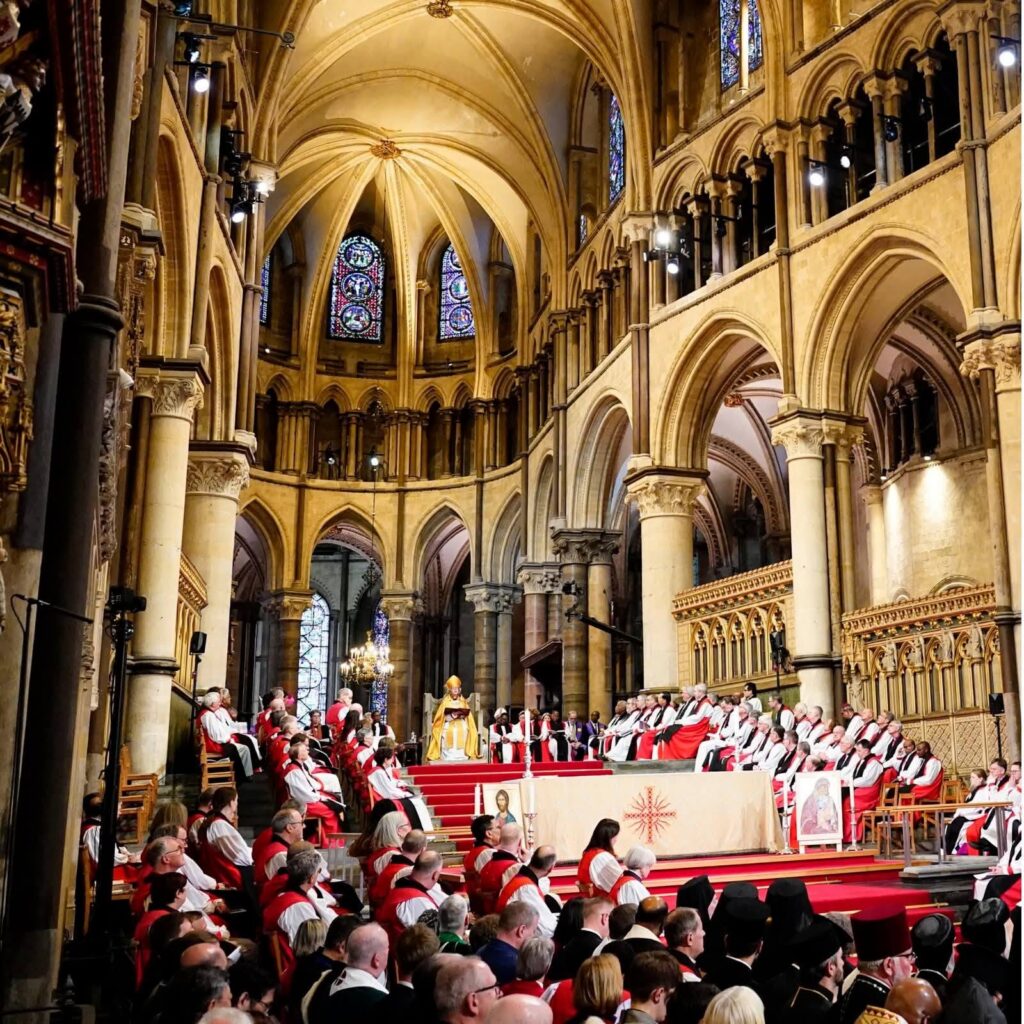
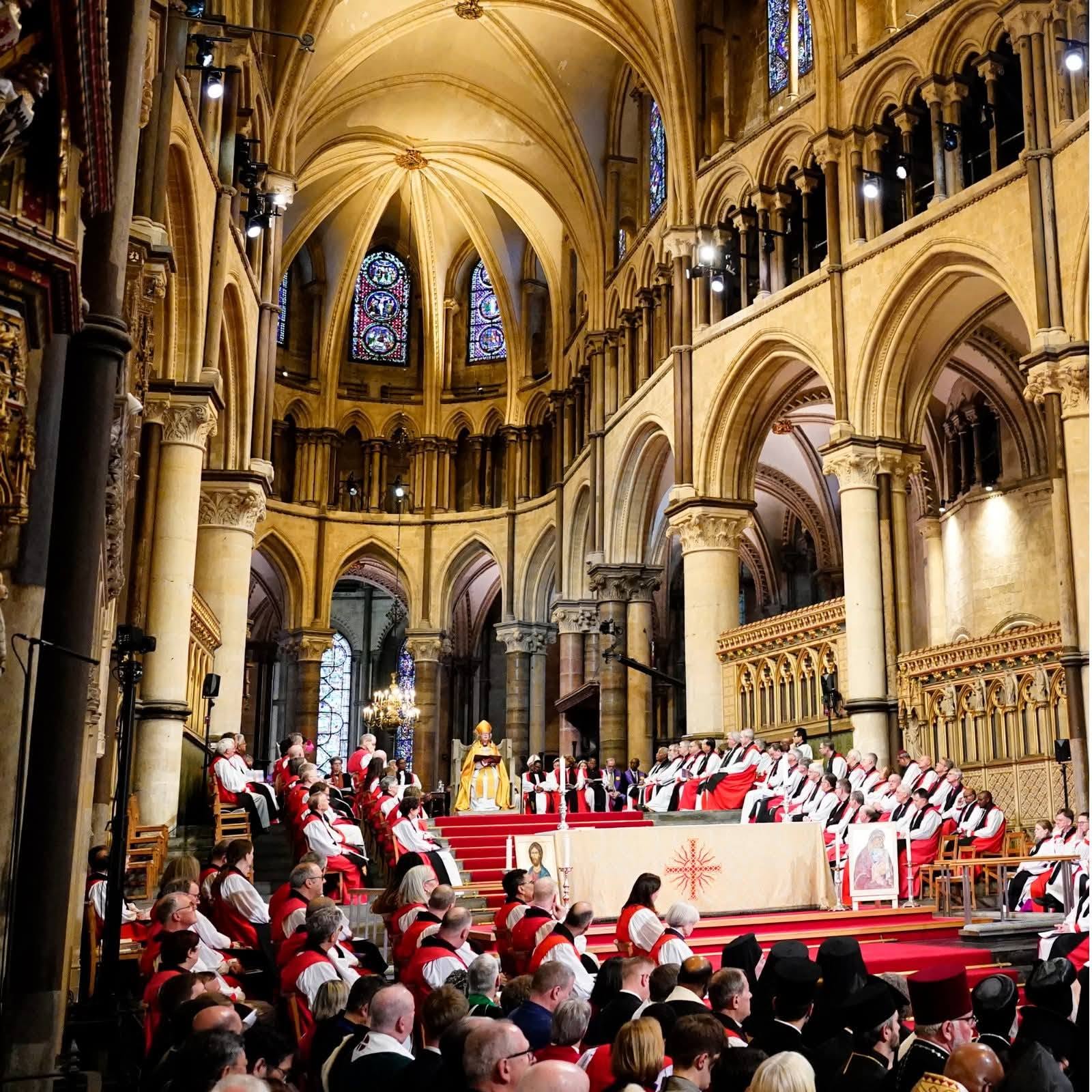
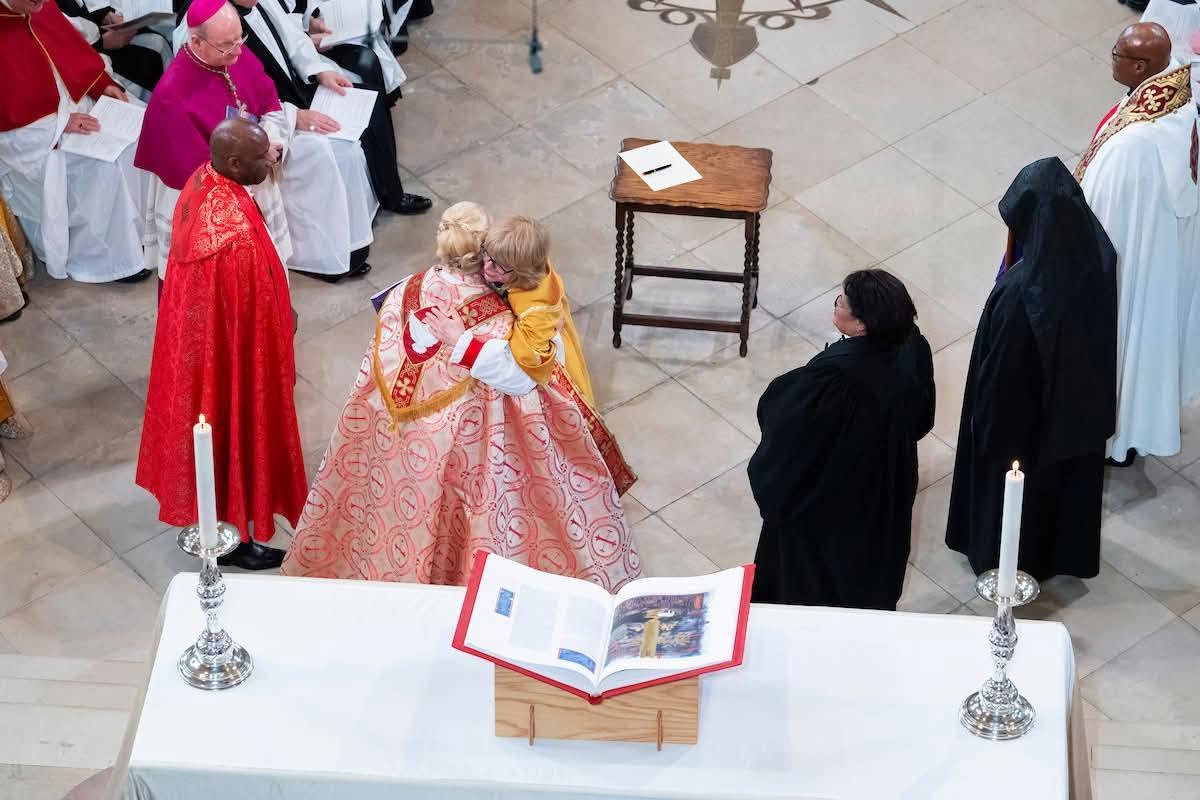
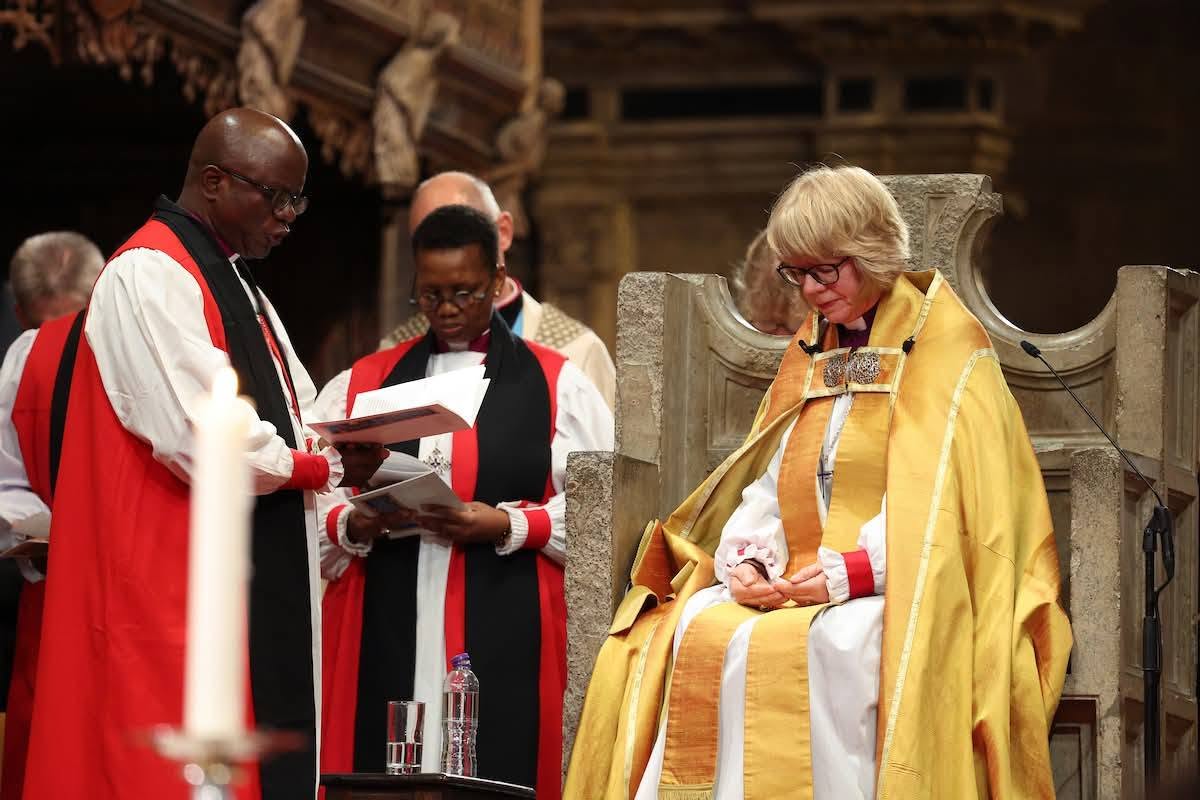
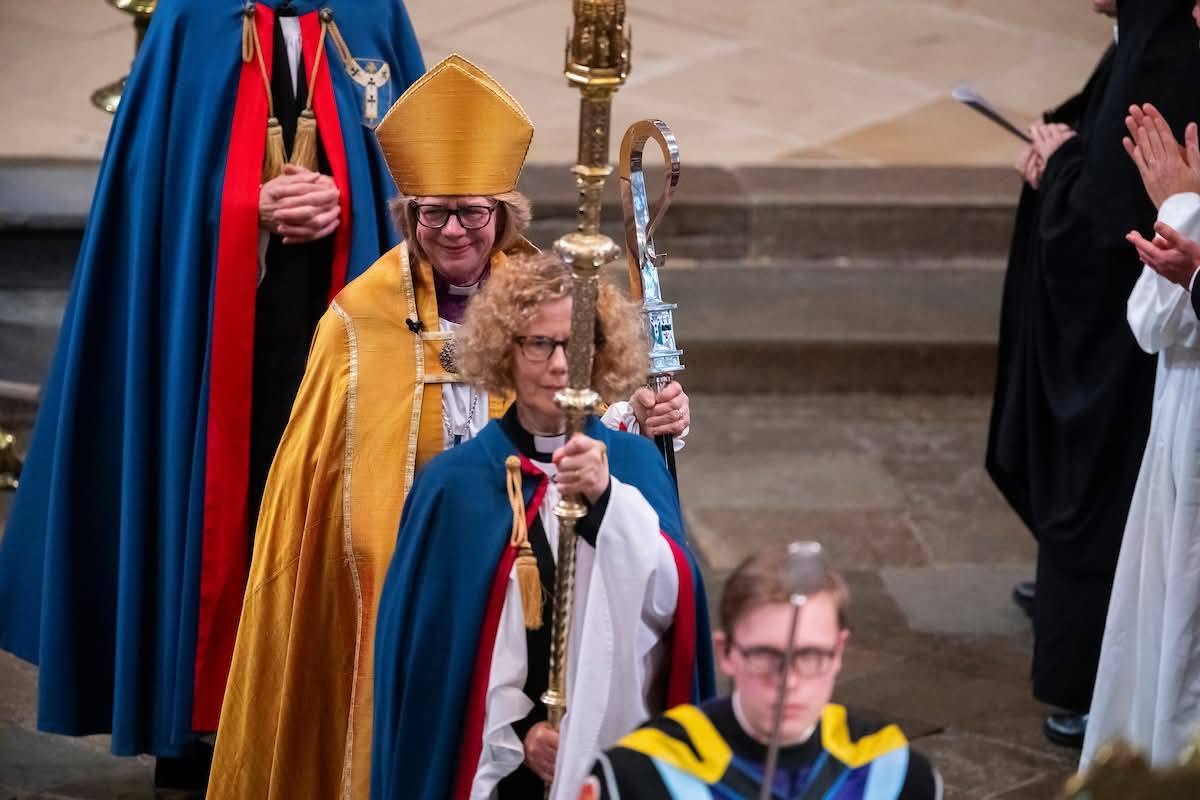
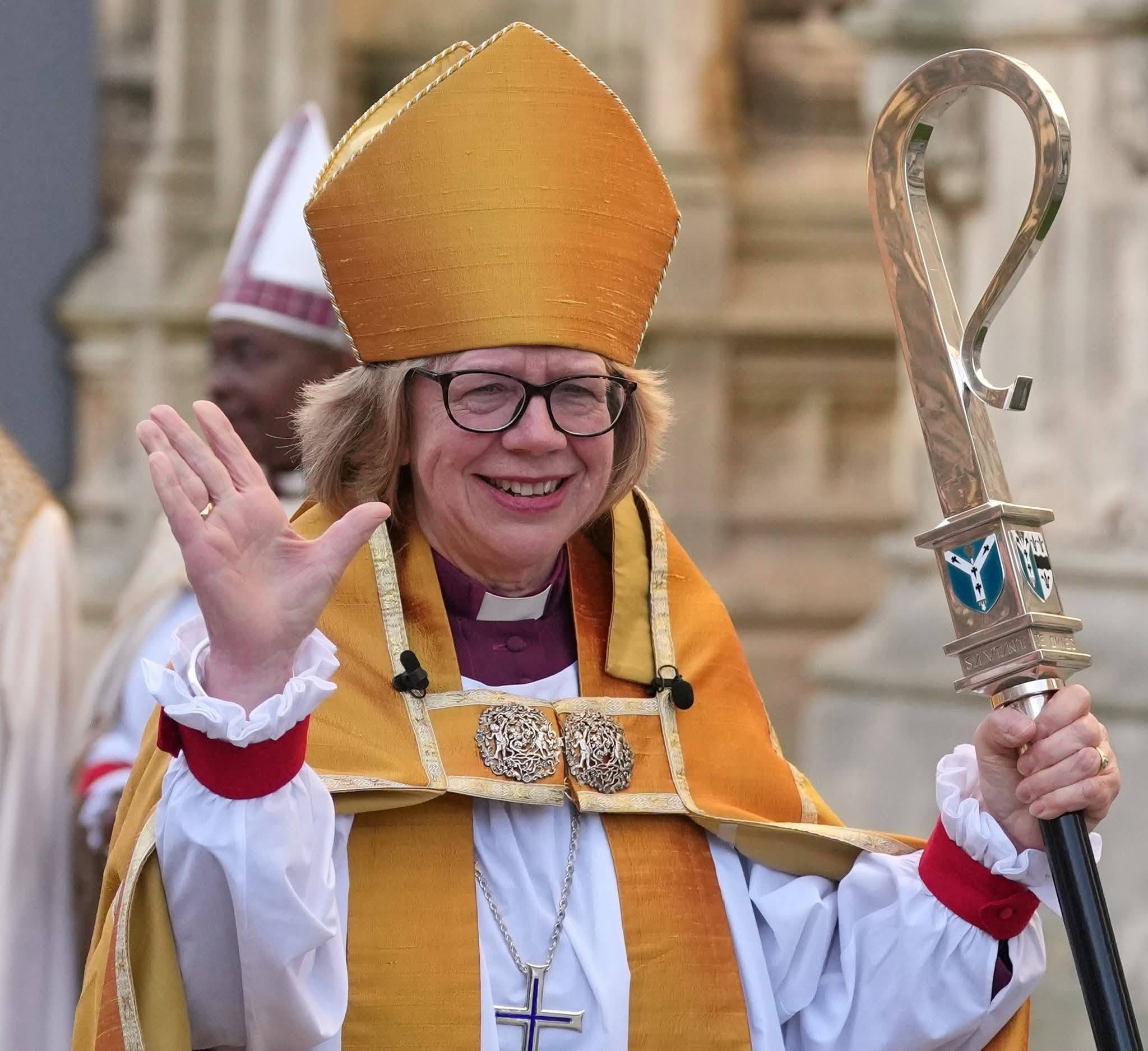
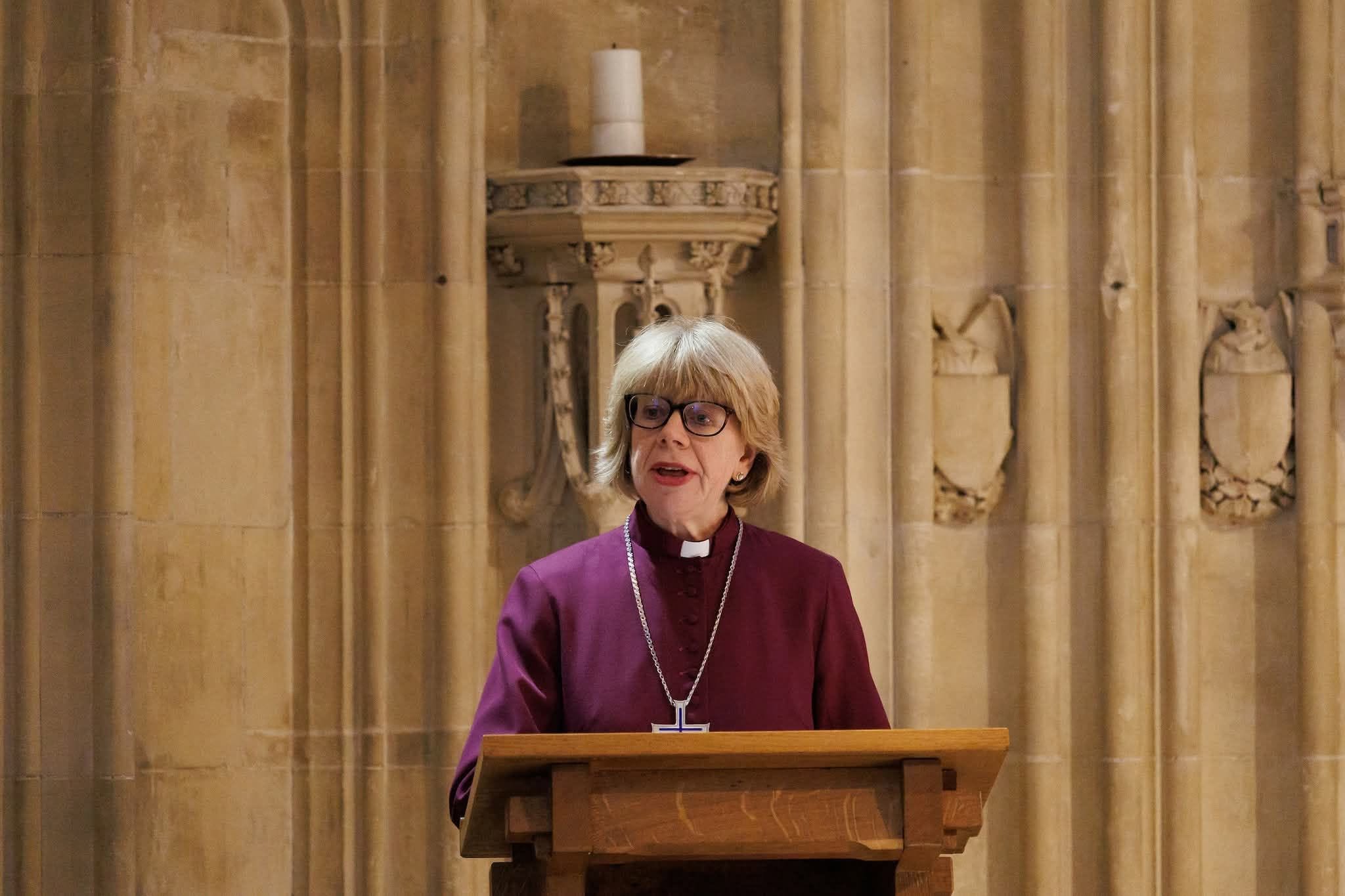
In a groundbreaking moment for the Anglican Communion, Dame Sarah Mullally has been enthroned as the 106th Archbishop of Canterbury, shattering centuries of tradition and becoming the first woman to lead the Church of England. Her installation marks a profound shift in one of Christianity’s oldest institutions, which traces its roots back to St. Augustine’s mission in 597 AD.
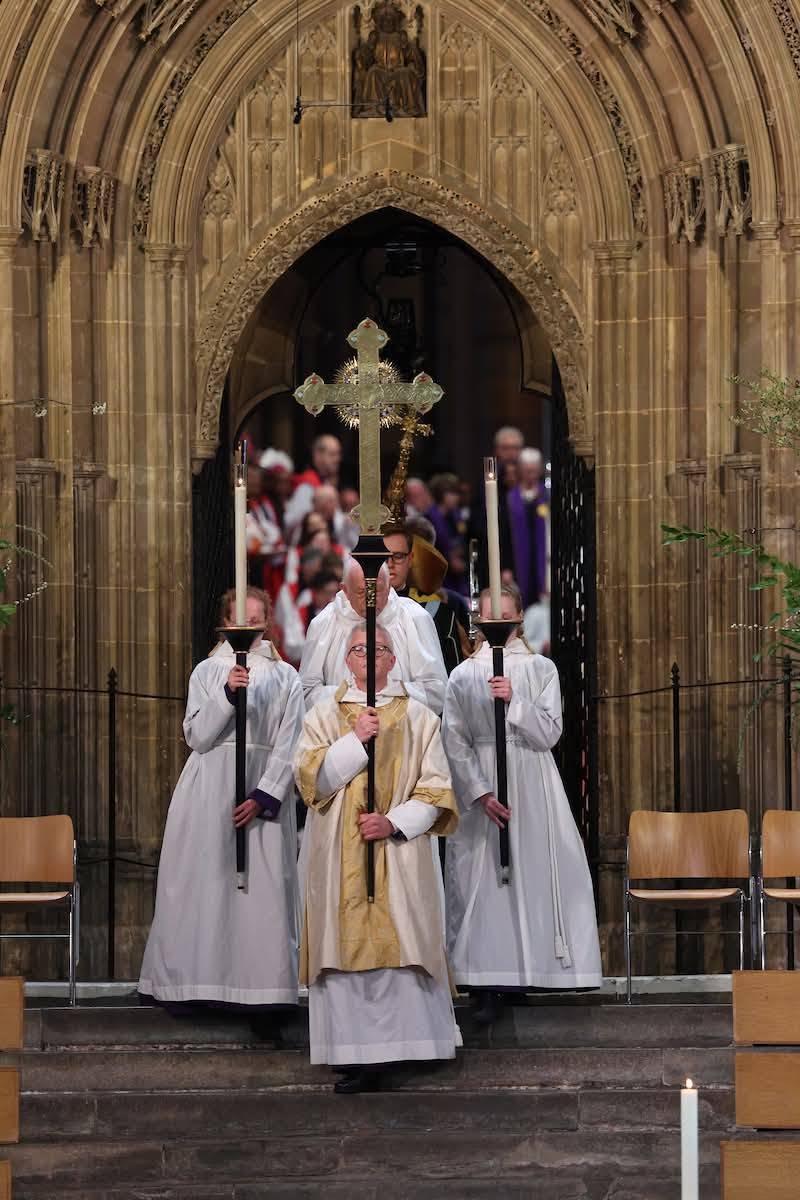
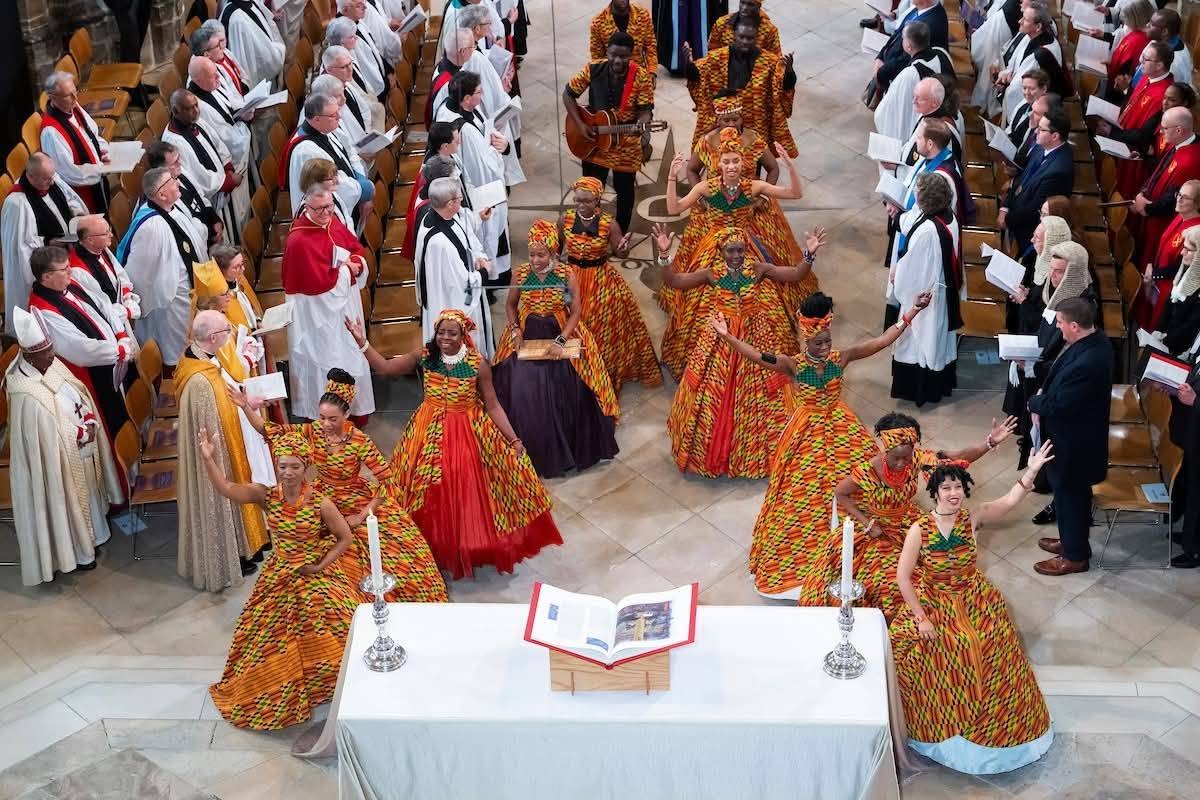
Mullally, formerly the Bishop of London and a former Chief Nursing Officer of England, succeeded Justin Welby. Her formal enthronement at Canterbury Cathedral on March 25, 2026, drew global attention and was attended by nearly 2,000 guests, including Britain’s Prince and Princess of Wales and Prime Minister Keir Starmer.
“This is not just a personal triumph for Sarah Mullally, but a beacon for countless women who have served faithfully in the shadows. It signals that the Church is evolving while remaining rooted in its mission to serve and unite.”
— A prominent Anglican leader
🕊 Key Facts
A Moment of Global Significance
In her inaugural sermon, Mullally reflected on her remarkable journey, saying she could never have imagined where her faith and calling would lead her. The appointment marks the first time a woman has assumed the highest office in the Church of England and the symbolic leadership of the worldwide Anglican Communion.
Religious scholars and women’s rights advocates have described the moment as a breakthrough for female leadership within faith communities. Reactions have poured in from around the globe:
- Ecumenical leaders, including messages from the Vatican, extended warm congratulations and expressed hopes for continued dialogue.
- Women’s rights organizations and faith-based groups celebrated the breakthrough as progress toward equality.
- Traditionalists within the Church have expressed varied responses, reflecting ongoing debates about tradition and reform.
Impact on Pakistan’s Christian Community
For Pakistan’s Christian community, the development carries particular significance. The Church of Pakistan — a united Protestant denomination and member of the Anglican Communion — remains deeply connected to Canterbury’s traditions and developments.
While the Church of Pakistan began ordaining women as deacons in 2001, women are still largely excluded from serving as priests and bishops. Cultural traditions, conservative interpretations of scripture, and longstanding institutional practices have limited women’s participation in senior church leadership roles.
Despite these challenges, signs of gradual change are emerging. Female deacons are increasingly involved in pastoral care, education, healthcare ministries, and community outreach. Urban congregations in Lahore, Karachi, and Islamabad have shown growing openness toward greater female participation in church life.
Seeds of Change in Faith Communities
Many young Christian women now see Mullally’s appointment as evidence that barriers once considered permanent can be overcome. Advocates believe the historic development presents an opportunity for the Church of Pakistan to reflect on how it can better utilize the talents, education, and spiritual gifts of women.
Archbishop Mullally’s historic role as primus inter pares (first among equals) of the worldwide Anglican Communion positions her to influence millions across diverse cultures and continents. Supporters believe her tenure could inspire greater participation of women in ordained ministry and leadership positions globally.
For Pakistan’s young Christian women, the question is no longer whether women can lead at the highest levels of the Church — but when similar opportunities will become available closer to home.
A Symbol of Resilience and Hope
Mullally, known for her compassionate leadership, background in healthcare, and advocacy on social issues, has already begun addressing pressing matters — including the Church’s historical role in forced adoptions and outreach across the Anglican Communion. Her selection underscores a commitment to renewal, inclusivity, and relevance in a rapidly changing world.
As the Church of England navigates contemporary challenges — from safeguarding to societal relevance — Dame Sarah Mullally’s ascension is seen by many as a symbol of resilience, hope, and forward-looking faith. Observers say the milestone serves as a reminder that women’s empowerment is not limited to politics, business, or education, but extends to faith communities as well.
Gallery
RIU Special Report
This is a special report by the Rooted in Unity editorial team, dedicated to covering stories of faith, peace, and human dignity across the globe.