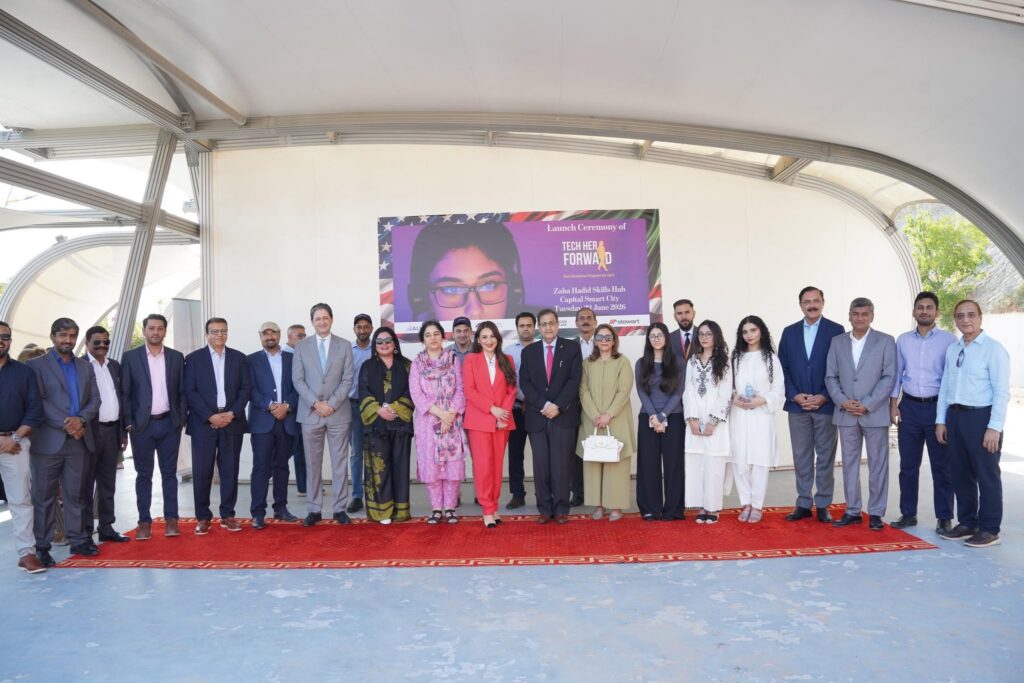
The future of Pakistan will be shaped not only by major infrastructure projects or economic reforms, but by the opportunities created for its young people — especially its young women.
In a country where nearly two-thirds of the population is under the age of thirty, investing in human potential is no longer a choice; it is a necessity. That is why the launch of the Tech Her Forward initiative in Islamabad deserves attention — not merely as another development program, but as a meaningful step toward a more inclusive and prosperous future.
HerForward — equipping young women with digital and AI skills for a competitive economy
A Diplomatic Signal Centered on People
The presence of U.S. Chargé d’Affaires Natalie A. Baker at the inauguration of the initiative sent a clear message about the kind of partnership the United States seeks to build with Pakistan — one centered on empowerment, education, innovation, and opportunity. Her participation reflected an understanding that the strongest international relationships are built not only through diplomacy between governments but also through investments in people.
“Empowering women through education and technology contributes to sustainable development — this is not merely a diplomatic talking point. It is a proven reality.”
— Natalie A. Baker, U.S. Chargé d’Affaires, PakistanThroughout her tenure in Pakistan, Baker has consistently emphasized areas where the interests of both countries converge: education, economic growth, innovation, and women’s empowerment. The launch of Tech Her Forward reflects exactly that convergence — and demonstrates that diplomacy at its best creates opportunities that outlast any single meeting or agreement.
What Tech Her Forward Does
Tech Her Forward aims to equip young women from underserved communities with the digital and technological skills needed to succeed in an increasingly competitive economy. At a time when artificial intelligence, digital entrepreneurship, and remote work are reshaping the global workforce, access to technology is becoming a gateway to opportunity.
For many young Pakistani women, however, that gateway remains partially closed — blocked by social, economic, and educational barriers that compound one another. Initiatives such as Tech Her Forward seek to change that reality.
What the program provides: Technical training in digital skills and AI tools · Mentorship from industry professionals · Practical exposure to technology entrepreneurship · Pathways to employment, freelancing, and leadership — equipping participants not just with skills, but with confidence, independence, and the possibility of economic mobility.
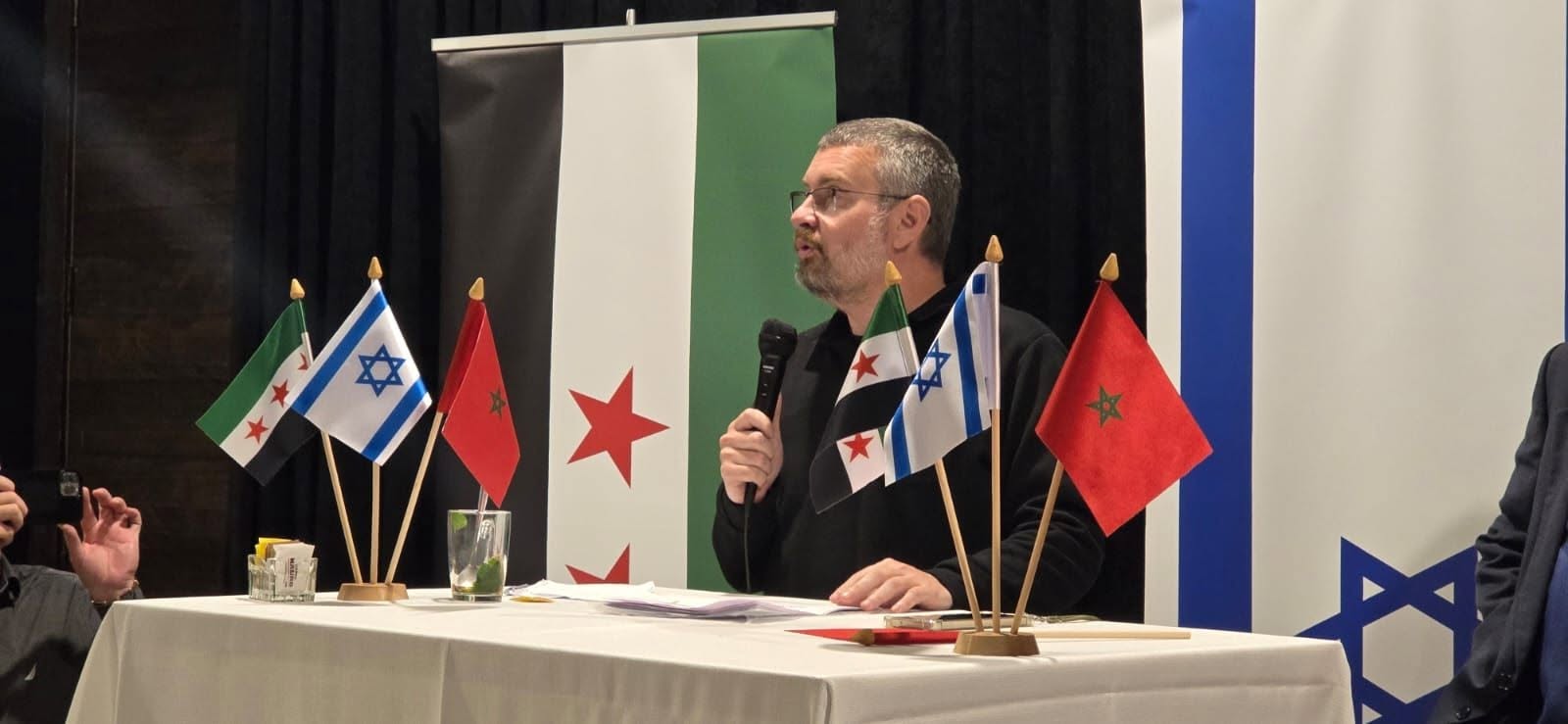
World Abrahamic Movement — First Orientation Conference Digital Summit
The first Orientation Conference of the World Abrahamic Movement is underway. People from across the globe are asking: What is the Abrahamic Movement? How can I be part of it? Join us for a live Zoom summit to explain, update, and answer your questions — in English.
Soraya Deen
VP Training & Guidance · Founder, Bureau of Muslim Speakers USA
Aviv Beilis Lerner
VP Regional Partnerships & Development
Majd Jbaily
Envoy to the Alawi Community
Tom Wegner
CEO & Founder, World Abrahamic Movement
The Economic Case for Inclusion
Pakistan stands at an important moment in its development journey. The country’s technology sector continues to expand, and new innovation hubs are emerging across major cities. Yet the benefits of this transformation will remain limited unless women are fully included in the process. Closing the gender gap in digital access and technological skills is not only a matter of equality — it is an economic imperative.
Countries that invest in women’s participation in the workforce and digital economy tend to experience stronger growth, greater innovation, and more resilient communities. The significance of Tech Her Forward lies in its practical approach: rather than discussing challenges in abstract terms, it provides real solutions.
“Every young woman who secures employment, launches a business, or becomes a technology professional creates a ripple effect that extends to her family and community. Those individual success stories ultimately become part of a larger national story of progress.”
— Junaid Qaiser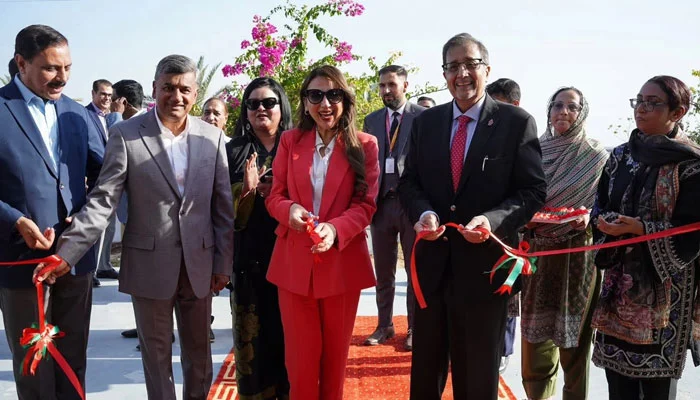
The U.S.–Pakistan Relationship Reimagined
The U.S.–Pakistan relationship has often been viewed through the lens of geopolitics and security. While those dimensions remain important, initiatives like Tech Her Forward remind us that the relationship is also about people. It is about helping young Pakistanis acquire the skills needed to compete in the global economy and ensuring that women are not left behind in the digital age.
The significance of Tech Her Forward also lies in what it demonstrates: that meaningful progress is achievable when the public sector, private sector, development organizations, and international partners work toward a common goal. That model of partnership — rather than parallel action — is precisely what sustainable development requires.
A Vision for the Future
As Pakistan looks toward the future, empowering young women must remain at the center of its development agenda. The launch of Tech Her Forward is a welcome reminder that meaningful partnerships can help turn that vision into reality.
Natalie Baker’s support for the initiative reflects the best traditions of diplomacy — building bridges, creating opportunities, and investing in the next generation. If Pakistan’s future belongs to its youth, then programs like Tech Her Forward are helping ensure that its young women have a place in shaping it.
The bottom line: In a country with one of the world’s largest youth populations, empowering young women with technology is not charity — it is strategy. It is how Pakistan competes in the global economy, how families rise, and how communities transform. Tech Her Forward is a step in that direction.
Junaid Qaiser
Junaid Qaiser is a writer and peace activist renowned for his advocacy of the Abraham Accords. He is the author of Trump’s Historic Peace Deal: Abraham Accords and the Road to Nobel Recognition. As a proponent of Middle Eastern peace, Qaiser explores diplomatic breakthroughs and their global implications.