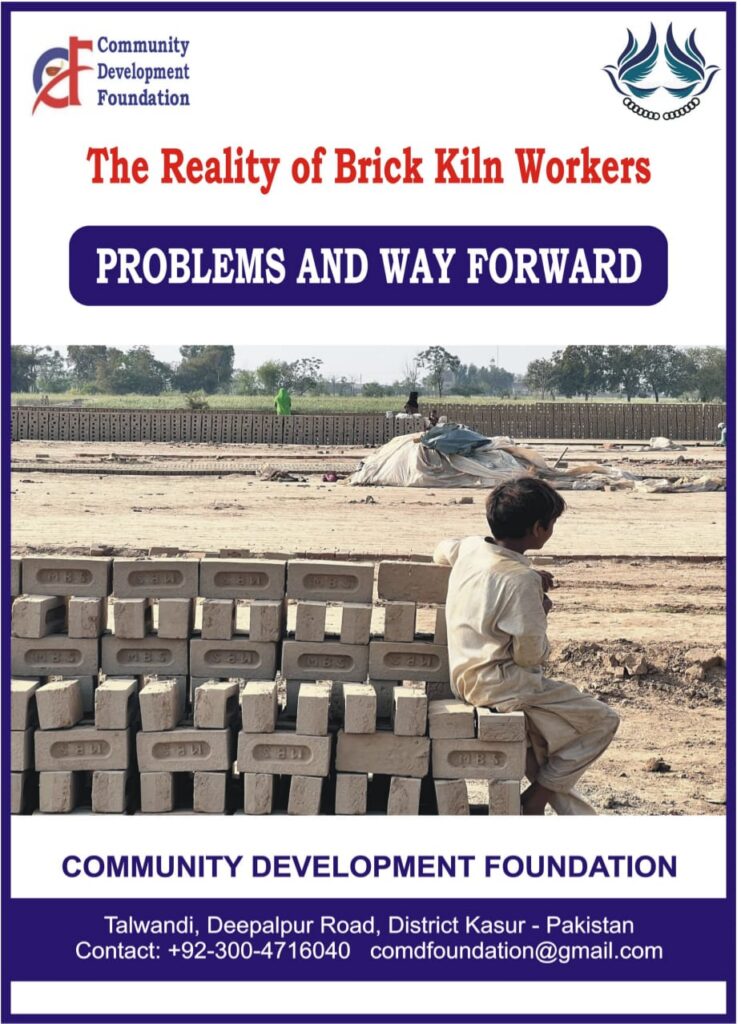
LAHORE, Pakistan — A new humanitarian appeal has drawn attention to the harsh realities faced by millions of Pakistan’s brick kiln workers, calling on individuals and organizations to help free families trapped in cycles of debt, poverty, and modern-day bonded labor. The appeal highlights the urgent need for financial assistance and long-term rehabilitation to restore dignity and hope to some of the country’s most vulnerable communities.
According to the appeal, more than two million people are employed in Pakistan’s brick kiln industry, where workers endure long hours of physically demanding labor for meager wages. Many families struggle to provide adequate food, education, healthcare, and basic necessities for their children despite working throughout the brick-making season.
Brick-making is seasonal, lasting roughly six months each year, according to the appeal. During periods of heavy rain and winter shutdowns, workers lose their source of income and are often forced to borrow money from kiln owners to survive. These loans accumulate over time, creating a system of generational debt that many families find impossible to escape.
The appeal further alleges that some kiln owners exploit indebted workers through severe abuses, including forced labor, human trafficking, and sexual exploitation — practices it says have left many families trapped in conditions resembling modern slavery.
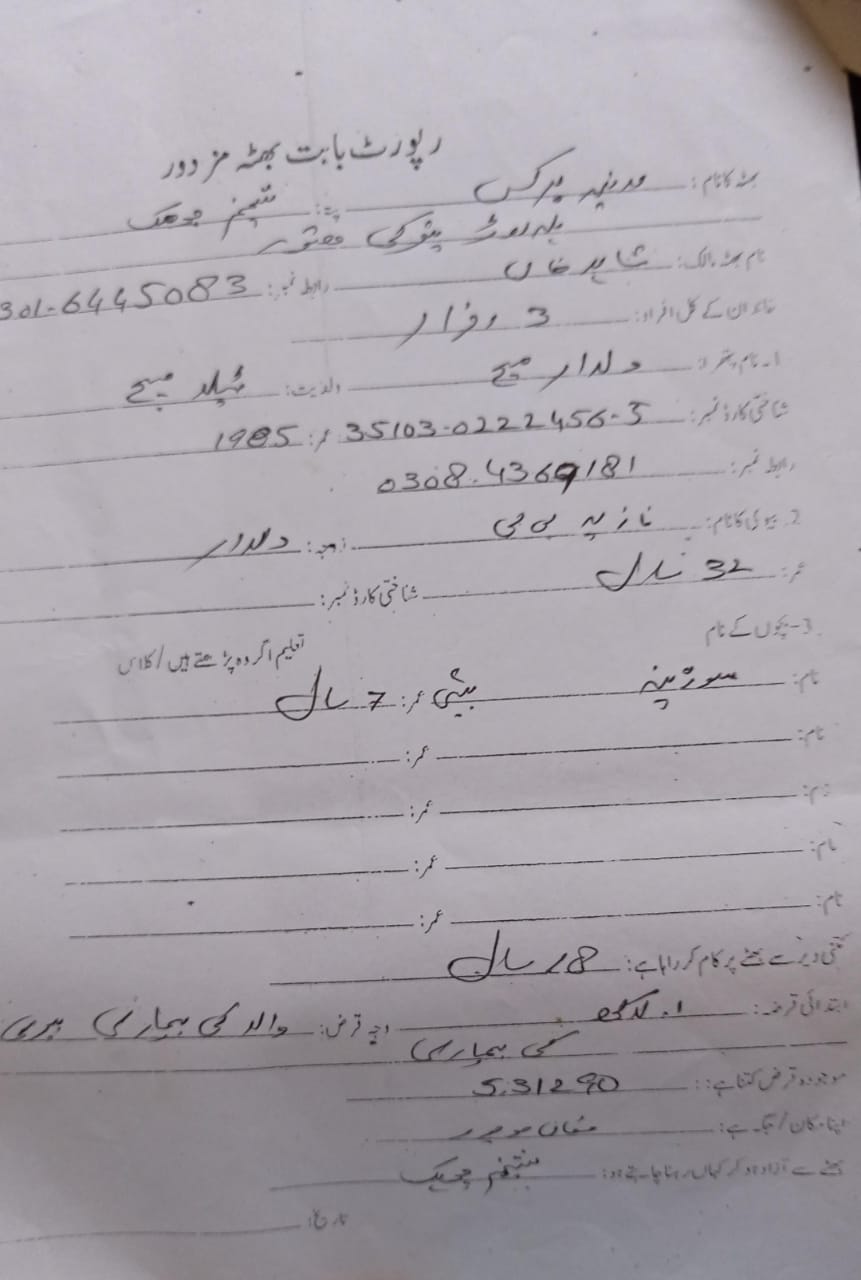
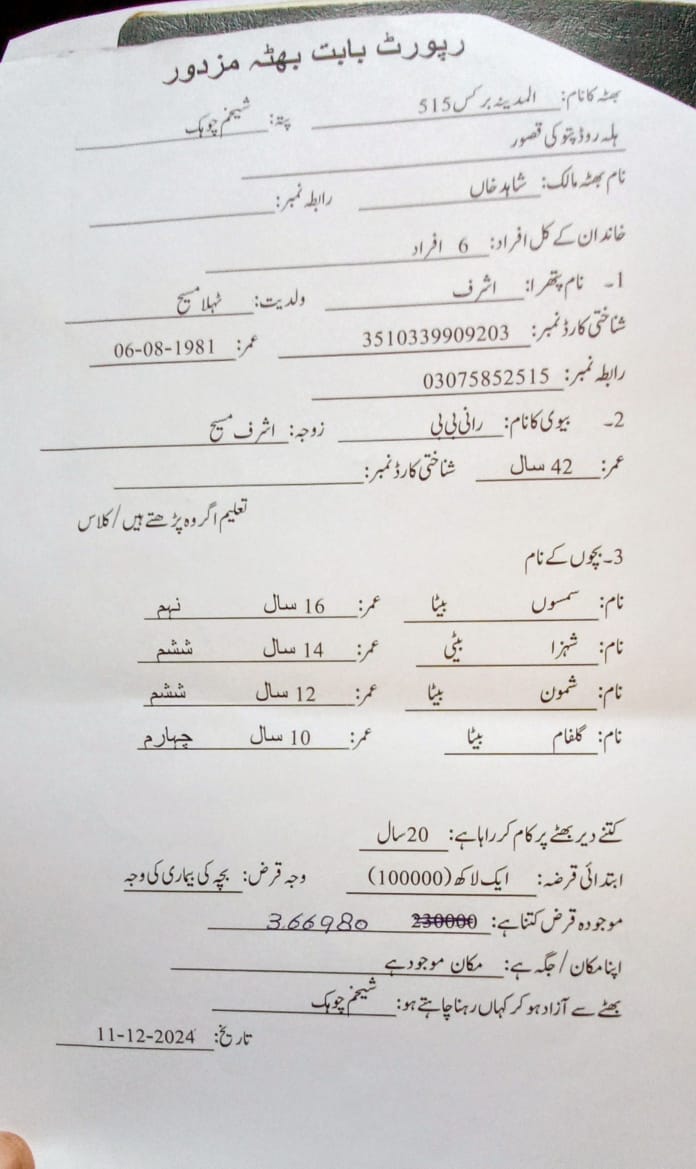
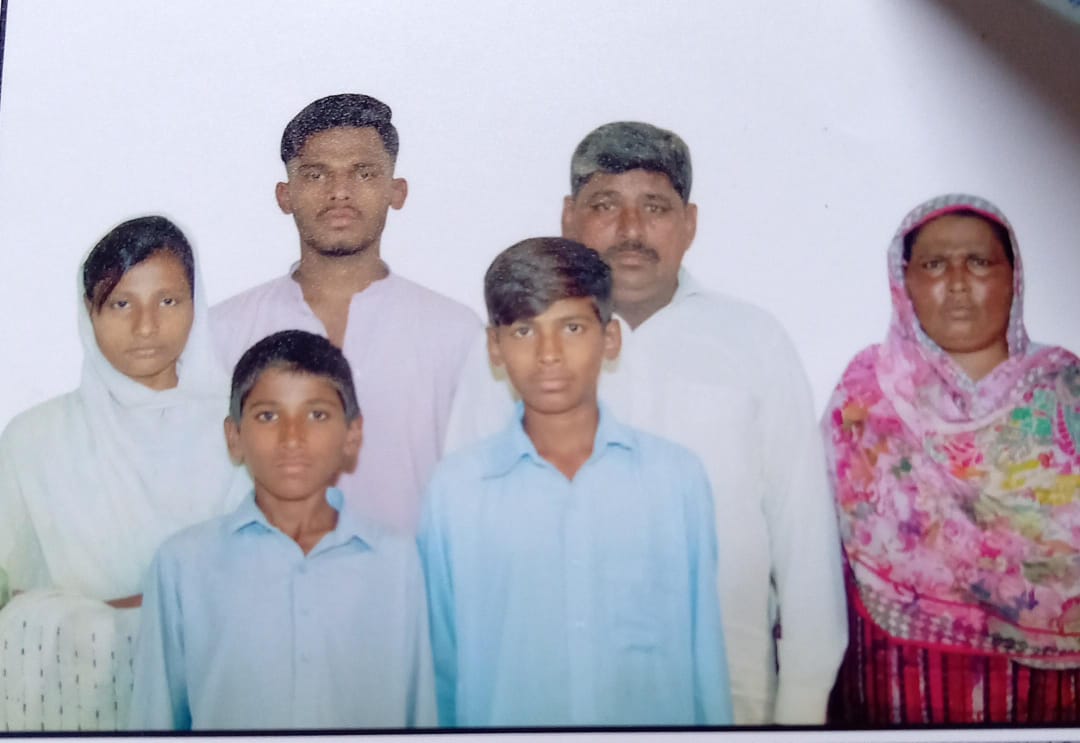
Breaking the Cycle of Poverty
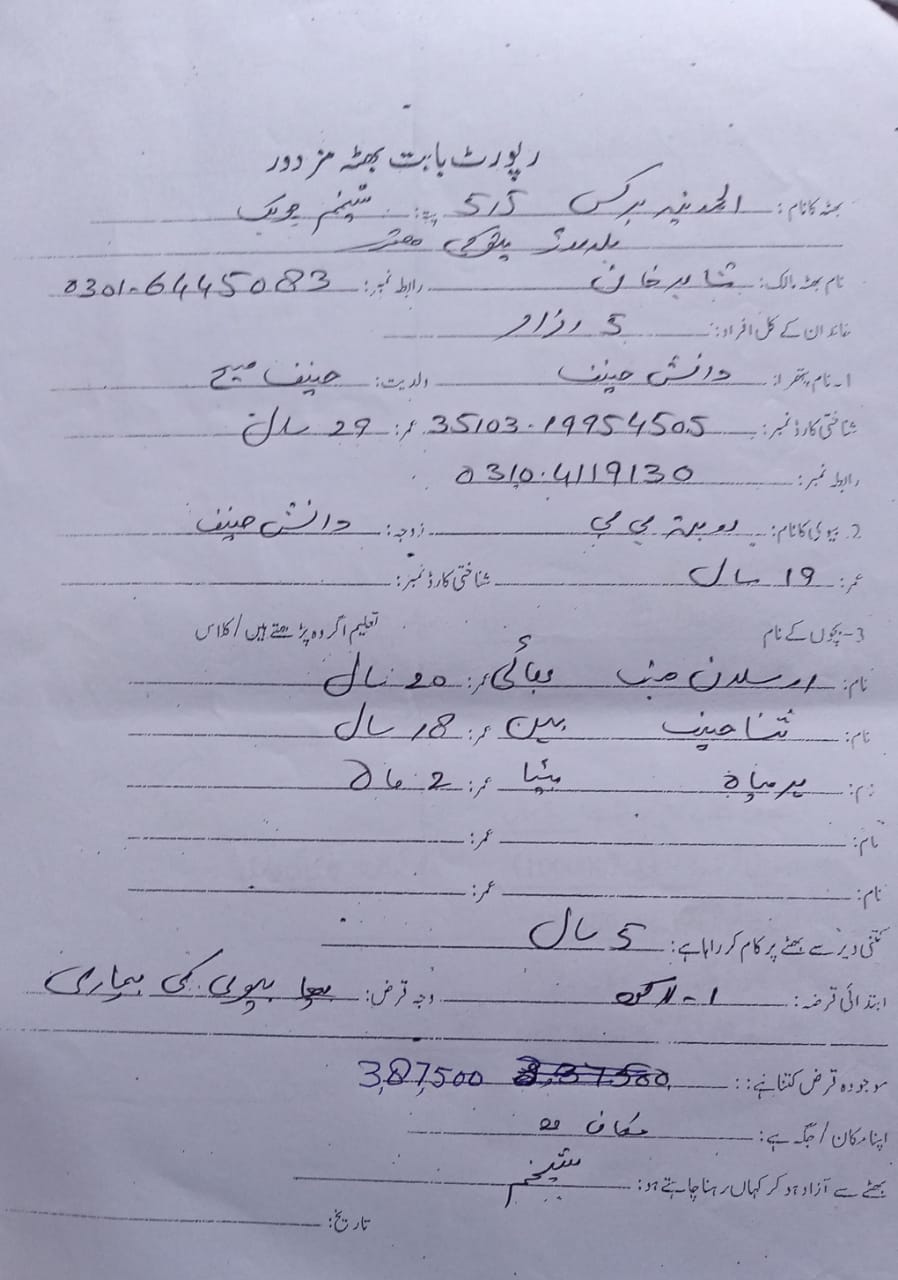
The organization behind the initiative, Community Development Foundation, says its mission is to help indebted kiln workers regain their freedom by clearing outstanding debts and providing opportunities for sustainable livelihoods. Based on its survey, many affected families owe between $2,500 and $3,500 — a burden that has passed from one generation to the next.
Beyond debt relief, the project aims to help former kiln workers establish small businesses, enabling them to become financially independent and support their families without returning to bonded labor.
Stories Behind the Statistics
The appeal shares several personal accounts illustrating the human cost of bonded labor.
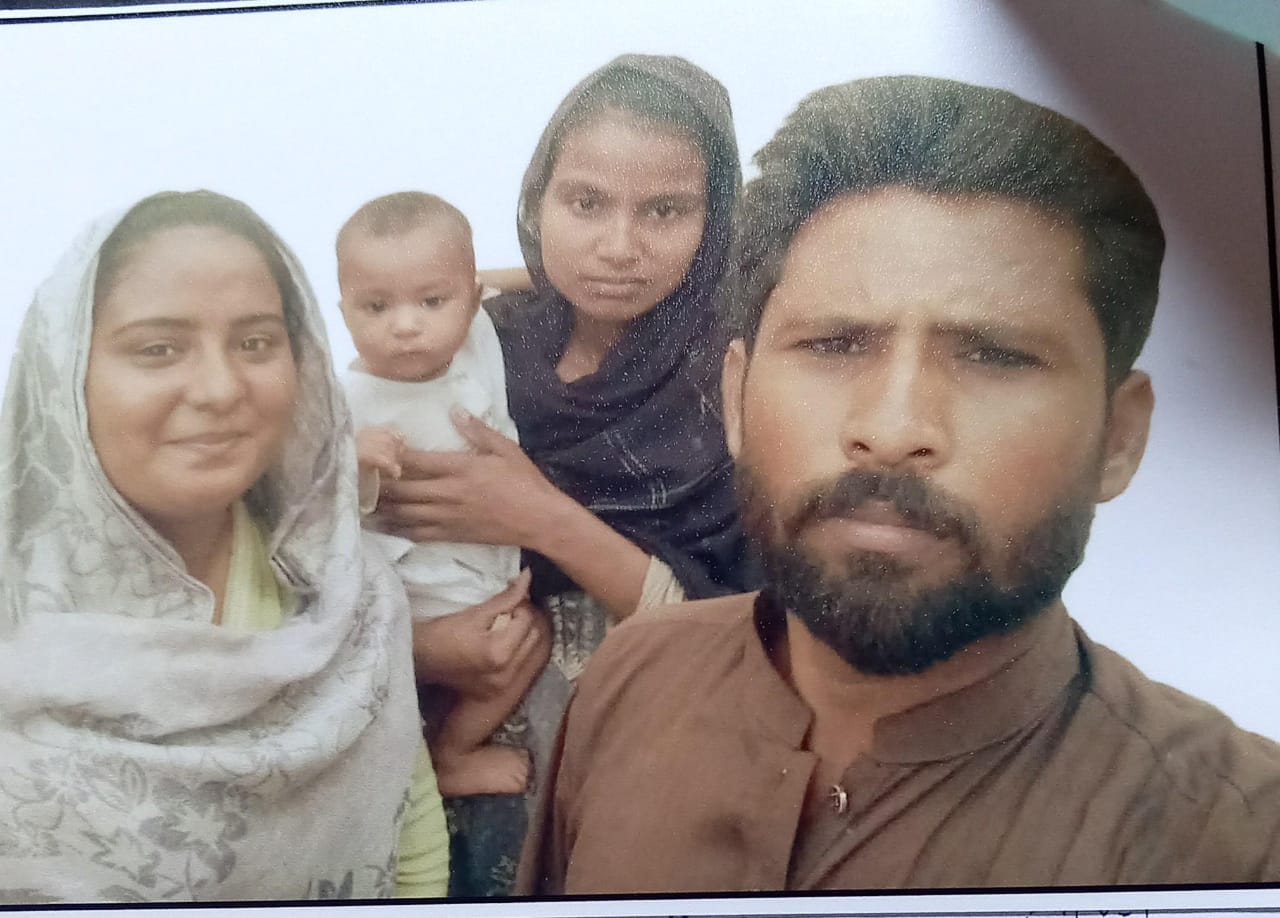
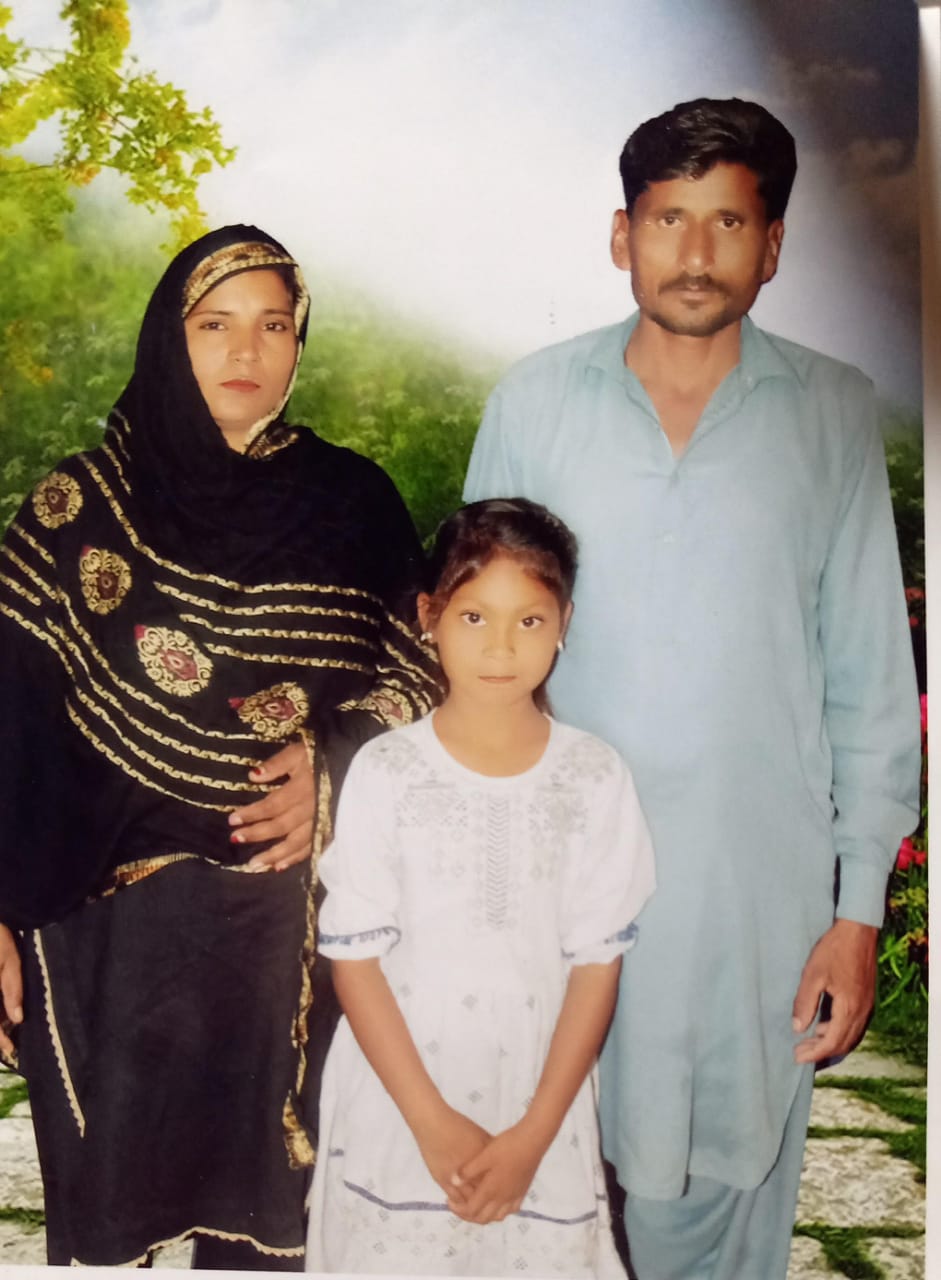
Reportedly sold one of his kidneys in a desperate attempt to repay his debt, yet still remained unable to escape financial bondage. A subsequent loan forced him to continue working under a different kiln owner.
Has worked in brick kilns since childhood alongside her father. Her family’s debt has prevented her from receiving an education, and the appeal describes her as part of the third generation trapped in kiln labor.
Reportedly abandoned by her husband after years of hardship in the kiln industry. To support her children, she borrowed additional money from the kiln owner, leaving her further trapped in debt while continuing to hope for a chance at a better future.
Appeal for Humanitarian Action
The appeal concludes with a call to people of goodwill, faith communities, and humanitarian organizations to support efforts aimed at freeing kiln workers from bonded labor. It urges compassionate individuals to contribute toward debt relief and sustainable rehabilitation so affected families can live with dignity, freedom, and hope.
The appeal emphasizes that lasting change will require collective action to break the cycle of poverty and provide vulnerable families with opportunities for education, economic independence, and a future beyond the brick kilns.
This article is based on a humanitarian appeal document detailing conditions in Pakistan’s brick kiln industry. Rooted in Unity has not independently verified the individual accounts described.