As a Rotarian, Anila Ali says she feels compelled to speak up about what she describes as a recurring pattern in civic life: the gradual takeover of community organizations by narrow political interests.
In her view, the pattern typically unfolds in stages. Political actors first enter civic spaces, she argues, then work their way into caucuses, women’s political groups, student unions, and community organizations. Once inside, she contends, they begin deciding who is deemed “acceptable” — and, in her telling, moderate Muslims, pro-America voices, pro-Israel voices, and anyone willing to stand publicly with Jews are the ones pushed out, criticized, or silenced.
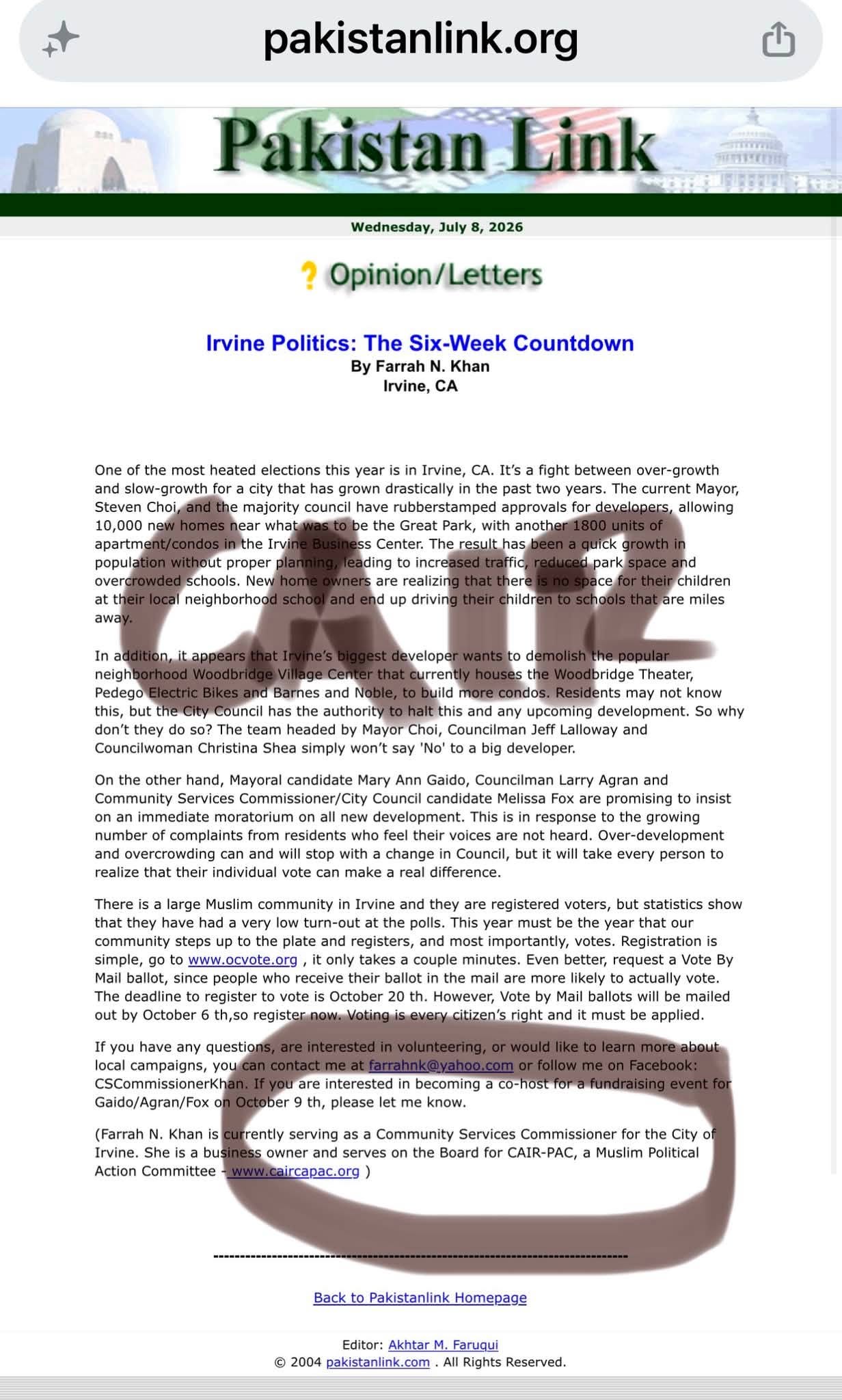
A California Case Study, in Ali’s View
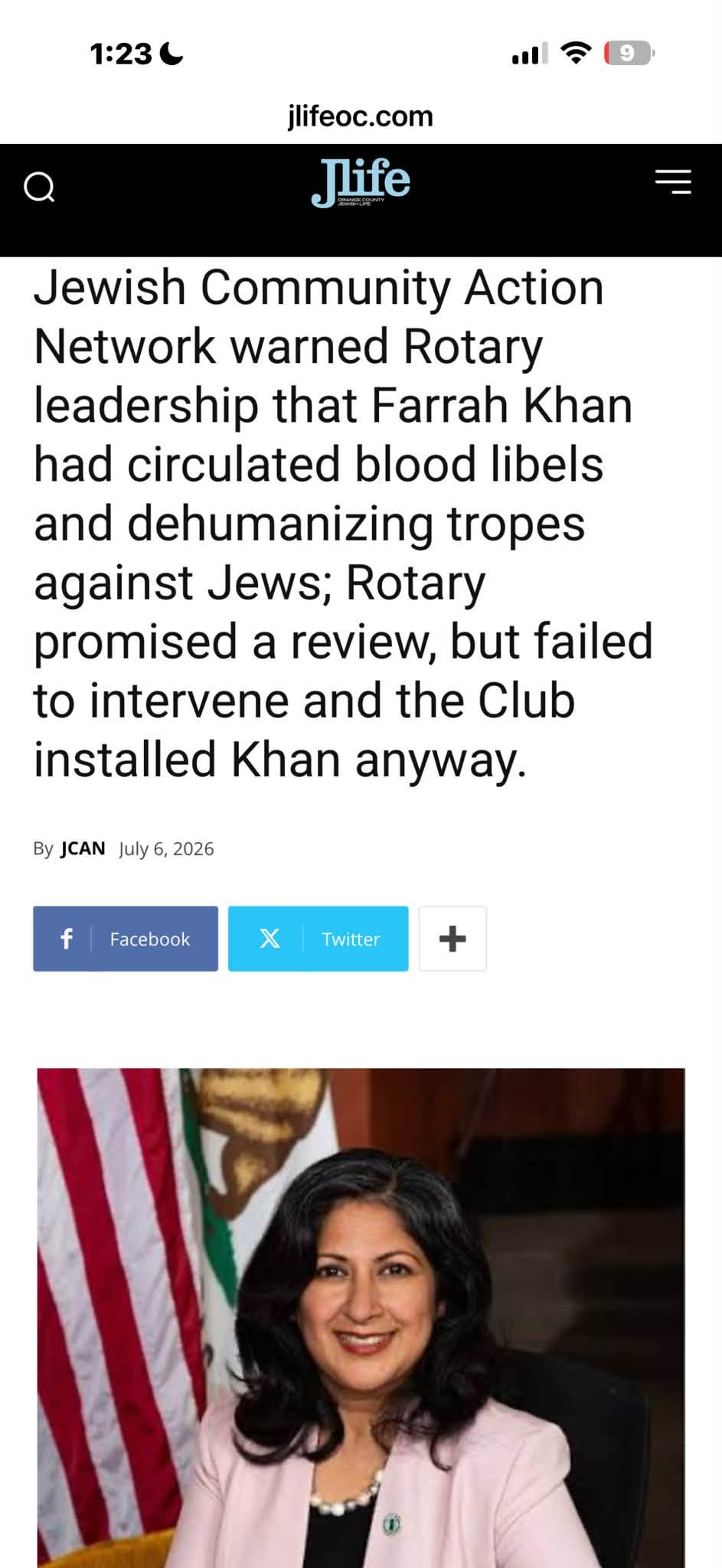
Ali points to California politics as an example of the dynamic she describes, naming California Democratic activist Farrah Khan specifically. Ali claims Khan has been publicly promoted and defended by CAIR-LA, and asserts — citing what she describes as published reports — that Khan has served on a CAIR board. Rooted in Unity has not independently verified these claims. Based on this, Ali argues that Rotarians, Democrats, women’s organizations, and civic leaders have a right to ask questions about who such groups choose to platform and what values that signals.
More broadly, Ali describes what she characterizes as the movement of “DSA-style politics” and CAIR-aligned activism through the Democratic Party, women’s caucuses, South Asian and Arab political spaces, and campus groups in California. She contends that as these networks gained influence, there was little room left for moderate Muslim Democrats who supported America, backed Israel’s right to exist, taught the Holocaust with what she calls moral clarity, and emphasized achievement over what she terms “victimhood.”
“The message was clear,” Ali writes: those who did not blame America or Israel, or criticize Jews and Zionists, were not welcome in these spaces.
Ali says she personally witnessed teachers and moderate voices being sidelined while more radical voices were elevated — arguing that where she wanted to see reading, writing, Holocaust education, and civic responsibility taught, she instead saw resentment, division, and identity politics prioritized. She connects this dynamic to what she describes as the current climate of campus unrest, antisemitism, and anti-Americanism, which she says has left institutions afraid to speak plainly.
A Call to Rotary and Civic Organizations
Ali frames her message as a call to fellow Rotarians and civic leaders more broadly: that organizations built on principles of truth, fairness, goodwill, and service should be vigilant against becoming platforms for extremism, antisemitism, or political Islamism, in her words. She says the pattern she describes is now visible to more people, and the open question, in her view, is whether civic institutions will respond.
This commentary is adapted from a Facebook post by Anila Ali, President of the American Muslim & Multifaith Women’s Empowerment Council (AMMWEC).