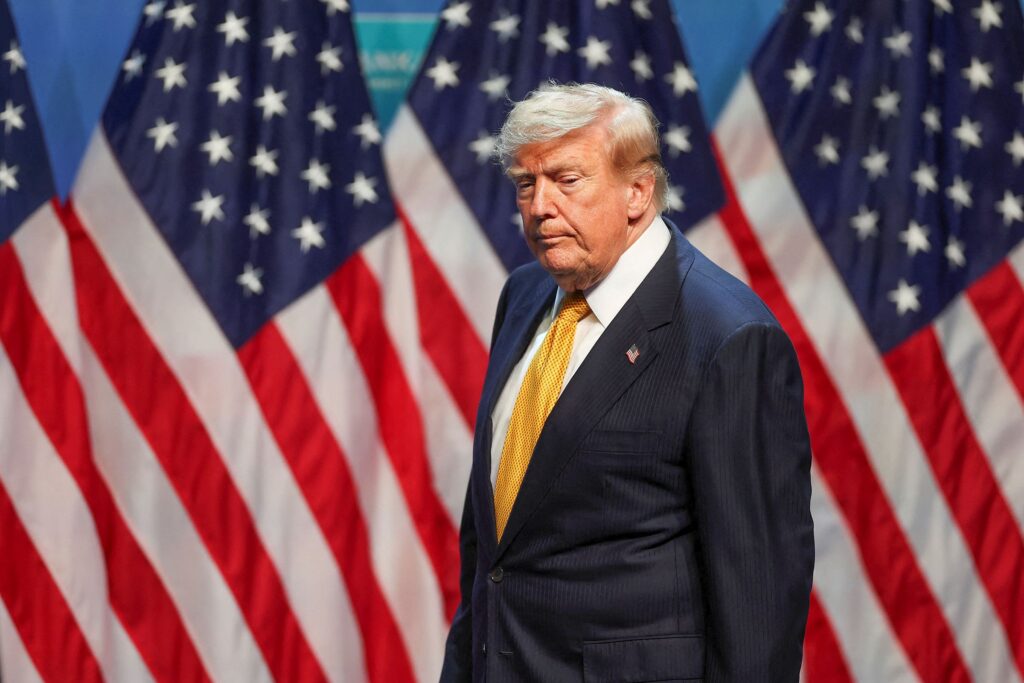
The fragile US-Iran ceasefire, brokered earlier in 2026 with Pakistani mediation and formalized in the Islamabad Memorandum, effectively collapsed on July 8 as Iranian actions in the Strait of Hormuz prompted a strong US military response. President Donald Trump publicly declared the interim agreement “over,” while US Central Command (CENTCOM) conducted multiple rounds of strikes targeting Iranian military capabilities.
Key Developments on July 8-9
At a Glance
- US Strikes on Iran: The United States launched fresh airstrikes for a second consecutive day, hitting approximately 80-90 targets along Iran’s southern coast, including areas near Bushehr, Chabahar, Bandar Abbas, Sirik, and Qeshm. CENTCOM stated the operations aimed to further degrade Iran’s ability to threaten freedom of navigation in the Strait of Hormuz. Explosions were reported in port facilities and military sites, with Iran’s Health Ministry confirming at least 14 killed and 78 wounded over the two days of renewed US operations.
- Iranian Retaliation: In response, Iran’s Revolutionary Guards Corps (IRGC) and army targeted US-associated sites in the Gulf. Strikes were reported against US military bases or facilities in Bahrain, Kuwait, and Qatar. Sirens sounded in Kuwait, and alerts were activated in Qatar and Bahrain. Iran described the actions as retaliation for US aggression.
- Trump’s Statements: Speaking at a NATO summit in Ankara, Turkey, President Trump stated that Iranian attacks on commercial shipping signaled the end of the ceasefire. He warned of even stronger US responses if provocations continued, emphasizing protection of maritime freedom and American interests. Trump reiterated openness to a deal but stressed that Iran “want[s] to make a deal so badly” after being degraded militarily.
- Strait of Hormuz Tensions: The escalation was triggered by Iranian attacks on multiple commercial tankers and vessels in the critical waterway, which handles a significant portion of global oil trade. US officials described these as direct ceasefire violations. Oil prices surged above $80 per barrel amid fears of broader disruption.
Background and Context
The current flare-up follows months of intermittent tensions since the launch of Operation Epic Fury earlier in 2026 and subsequent ceasefire efforts. Pakistan played a key mediating role in earlier talks in Islamabad and Doha, which had produced a memorandum addressing Hormuz navigation, sanctions relief, and nuclear concerns. However, mutual accusations of violations — including maritime incidents, sanctions enforcement, and proxy activities — have undermined the fragile peace.
This marks a significant setback for diplomatic progress that had included indirect talks and a temporary halt to major hostilities. Analysts warn of risks to wider regional stability, including impacts on Gulf allies and global energy markets.
Reactions
US and Allies: Administration officials and CENTCOM emphasized the strikes as defensive and proportionate. Gulf states expressed concern over Iranian retaliation hitting their territories.
Iran: Tehran accused the US of breaching the ceasefire and vowed continued resistance. A top Iranian negotiator highlighted violations including renewed sanctions and attacks.
International: Calls for de-escalation emerged, with ongoing monitoring of oil flows and shipping routes. Pakistan and Qatar, previous mediators, are likely to face renewed pressure to facilitate dialogue.
Analysis and Outlook
The rapid resumption of strikes highlights the challenges in sustaining ceasefires amid deep mistrust, particularly over Iran’s nuclear ambitions, ballistic missiles, and control of the Strait of Hormuz. While the US maintains military superiority and has degraded Iranian capabilities significantly in prior operations, Tehran retains asymmetric retaliatory options through proxies and missiles.
Diplomatic channels reportedly remain open despite the fighting, but the coming days will be critical in determining whether this escalation leads to broader conflict or forces both sides back to the negotiating table.
The Trump administration continues to prioritize freedom of navigation and pressure on Iran’s destabilizing activities, while signaling readiness for a comprehensive deal if Tehran complies with core demands.