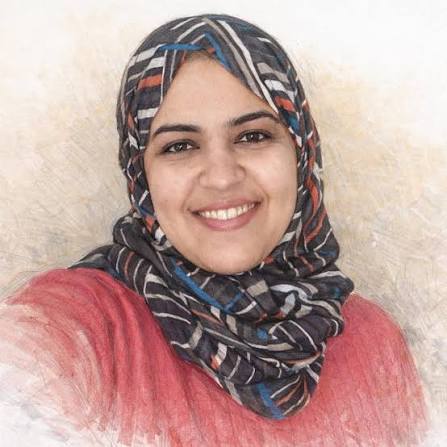
We are two Muslim women who have each had a death warrant, a fatwa, placed on our heads — not for committing a crime, but for opposing the extremists who claim to speak for our faith.
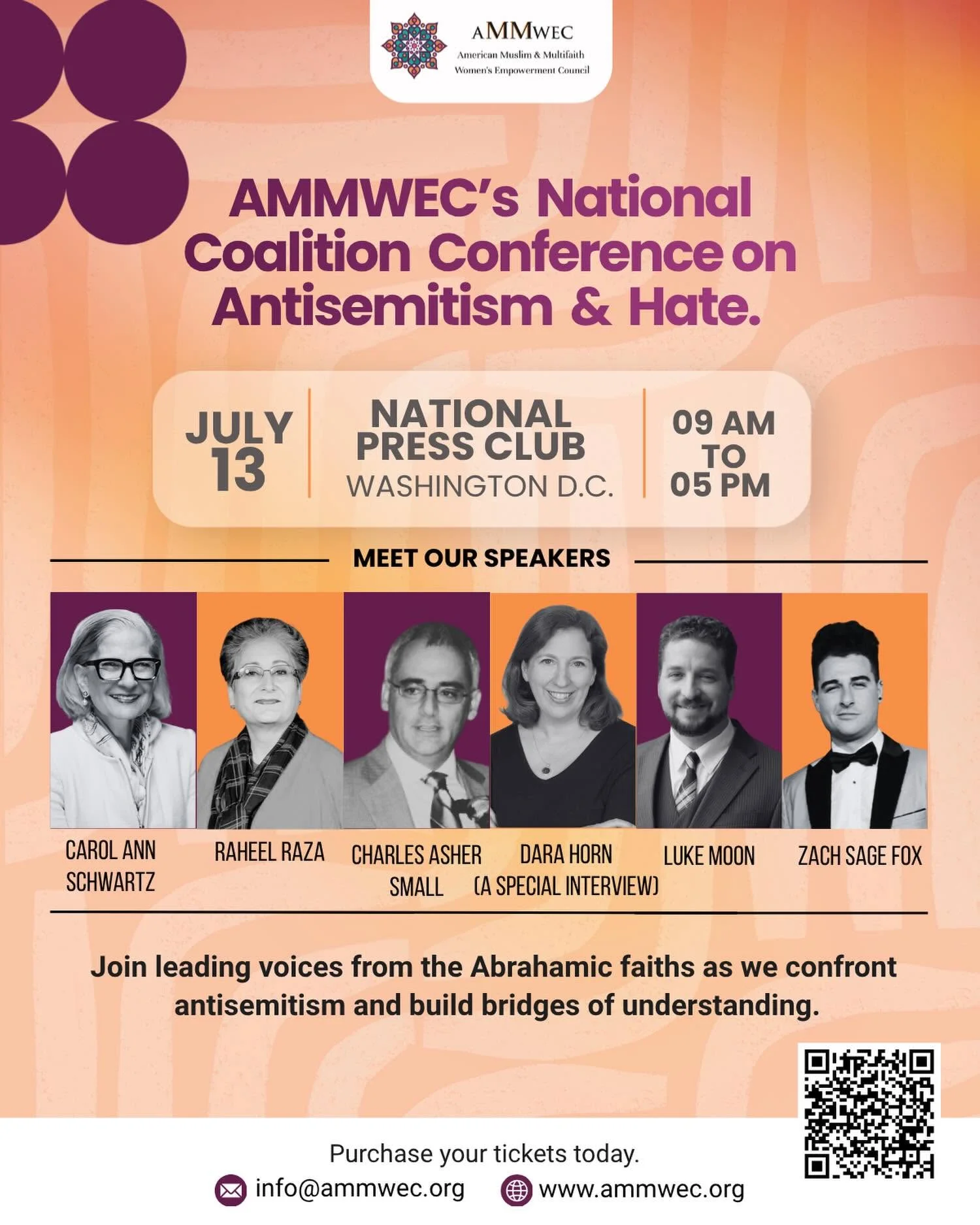
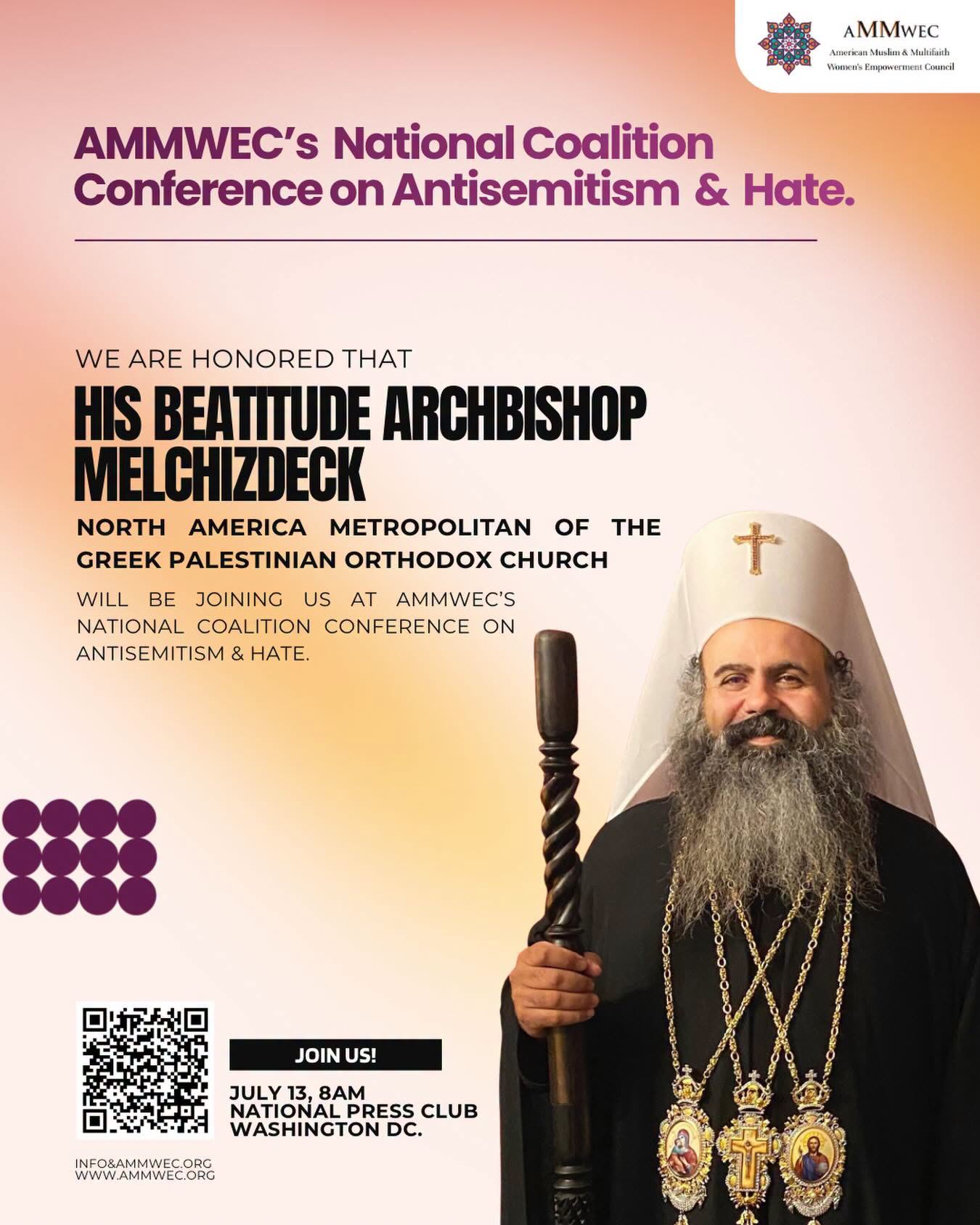
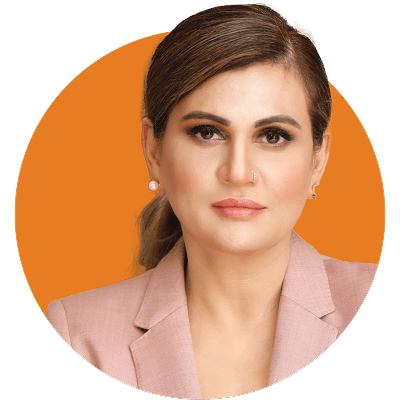
One of us, Anila, came to America from Pakistan and built a life here as a public school teacher. After September 11, Anila founded an organization to empower Muslim women and confront extremism. The other, Dalia, fled Egypt after Hamas’s attacks on Israel on October 7, 2023. Dalia was targeted for opposing the Muslim Brotherhood and Hamas, and has spent the years since tracing the money that radical movements use to buy influence in the West.
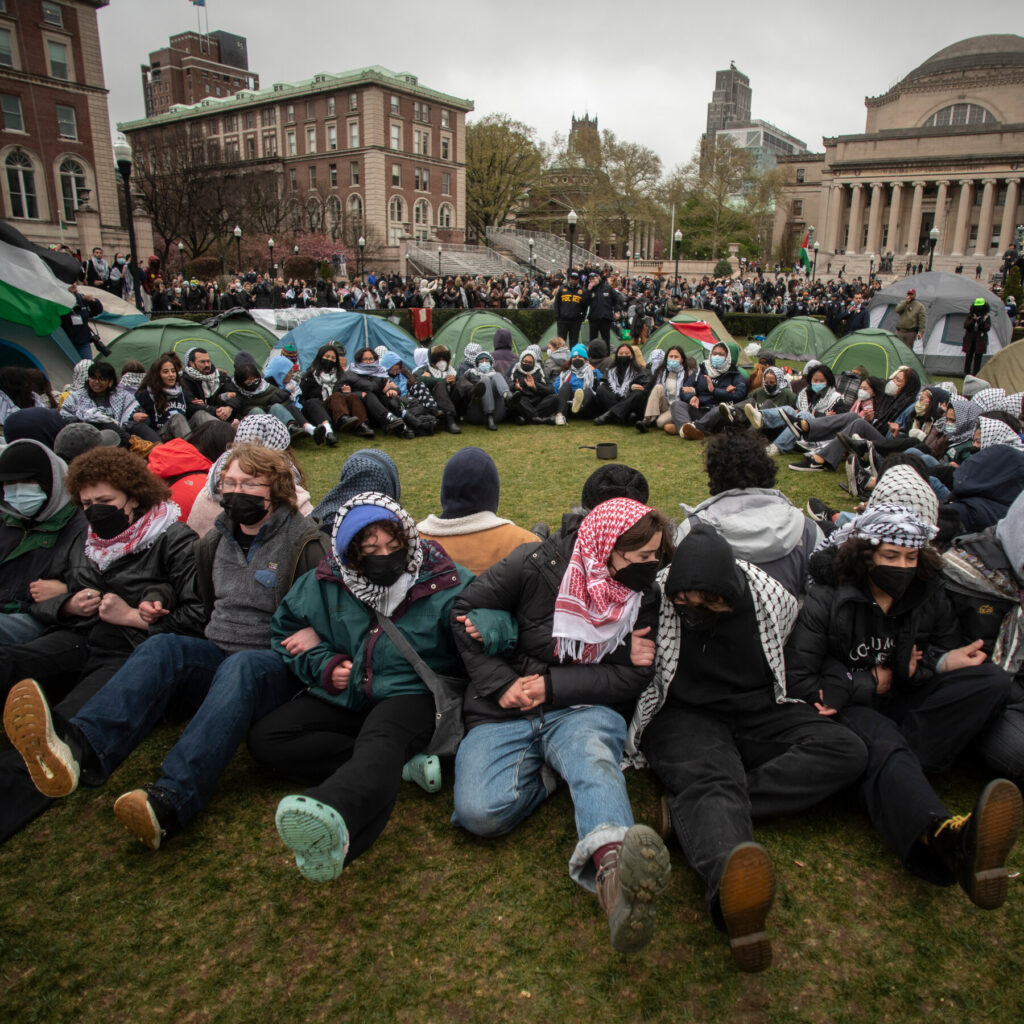
Though we have come to America from different countries, and to this work from different directions, we reached the same conclusion: the ideological transformation of American college campuses is not organic. It is funded, and the funding is too easily hidden. We say this from personal experience. We have sat with Muslim students who felt they couldn’t speak honestly without losing their friends. We have watched Jewish students pull back from campus life because they no longer felt safe. We have seen faculty we respect go quiet on subjects they once engaged with openly, calculating what dissent might cost them.
Following the Money
Qatar alone has sent billions of dollars to American universities since 2001 — more than any other foreign country, including China. Qatar’s involvement should not be taken lightly, given its longtime backing of the Muslim Brotherhood, Hamas, and the Islamic Revolutionary regime in Iran. Qatar is also home to Al Jazeera, which we view as a propaganda outlet that has spent the past three decades fueling hostility toward Israel and Western democratic values.
The money and the ideology travel together. Dalia — first in Egypt, and now as part of the Institute for the Study of Global Antisemitism and Policy (ISGAP)’s global team — has spent years tracing exactly these structures: the foundations, the shell entities, the endowed chairs that come with strings attached. What the research shows is not a series of isolated gifts but a sustained pattern, a long-term investment designed to shape what gets studied, who gets hired, and how entire regions get taught. Anila has watched the results in real time — in the students she herself taught in public school, and in the thinking of the professors and students her own children encountered in American universities. Moderate Muslims, reform-minded people who reject extremism, are being pushed out of the conversation on their own campuses. Their voices are replaced by a script they never agreed to and don’t recognize as their own.
We have both watched goodwill between Muslim and Jewish students drain away — students chanting slogans about a conflict they cannot explain, shaped by talking points written by people with money and an agenda.
One study we point to found that campuses taking undisclosed foreign money had roughly twice as many efforts to silence scholars, along with higher rates of reported antisemitism. We recognize what we are seeing. It is what we left.
A Bill Already Waiting in the Senate
In the past, Congress has acted when these threats were presented. A 2019 Senate investigation found that nearly 70 percent of schools receiving funds from Chinese government-linked Confucius Institutes failed to report it as required. Congress responded by restricting Defense Department funding to schools hosting those programs. A 2020 Department of Education review prompted universities to disclose $6.5 billion in previously unreported foreign funding. The precedent is there.
Now the Senate must act. The House has passed the DETERRENT Act twice with bipartisan support. Both times, the Senate has sat on it. In May, a coalition of 26 academic, policy, and civil society organizations, spearheaded by ISGAP and others, called on Congress to take decisive action.
What the DETERRENT Act Would Do
- Lowers the foreign gift reporting threshold from $250,000 (set in 1986 and never updated) to $50,000 for most countries
- Sets the reporting threshold to $0 for China, Russia, Iran, and North Korea
- Adds real penalties, including potential loss of federal student aid
- Does not ban international partnerships — it requires disclosure of who is paying universities
America has given us the freedoms of open argument, honest inquiry, and the liberty to dissent without it costing our lives. We have both paid personally for holding those values. We are not willing to watch them be quietly sold off, one undisclosed donation at a time, to the same networks that threatened us. The Senate has the bill, the evidence, and the support. The time to act is now.
Anila Ali is founder of the American Muslim & Multifaith Women’s Empowerment Council (AMMWEC). Dalia Ziada is a Middle East scholar and Washington, D.C. coordinator for the Institute for the Study of Global Antisemitism and Policy (ISGAP).